
The NashTech team has been phenomenal. Reactive, communicative, a breath of fresh air. The time difference ended up being a huge advantage, with work progressing overnight.
Emma Brandwood
Project Manager at Nordstar
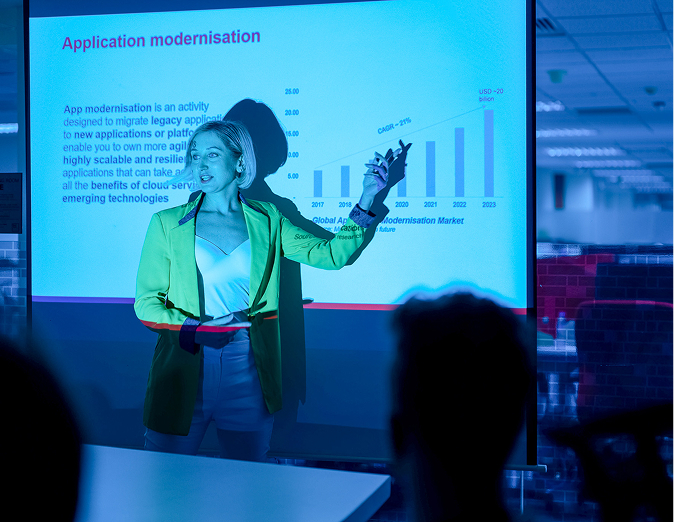
Future-ready technology
Outdated systems slow down innovation and your customers expect more. NashTech accelerates technology modernisation by transforming legacy platforms into cloud-ready, AI-enabled digital solutions.
Trusted by

what we do
Legacy systems once powered where you are today. But now, they are slowing you down. Organisations need modern platforms that enable agility, AI, data-driven decision-making and continuous innovation. NashTech helps businesses to modernise legacy technology and build scalable digital ecosystems ready for what comes next.
Outdated architectures limit agility, increase technical debt and slow innovation.
Technology modernisation delivers scalable platforms ready for cloud, AI, data and whatever the world throws at you.
Successful AI initiatives require modernised infrastructure and accessible data.
When your systems are outdated and fragmented, things get riskier, less efficient and costs just keep climbing.
Transform ageing applications into modern, scalable platforms.
Move your existing technology to the cloud to reduce operational overheads, improve performance and create room for innovation.
Refresh your systems to boost cloud performance and maximise your investments in cloud-native solutions.
Deliver high-quality applications fast, by embracing DevOps.

AI-DRIVEN
Technology modernisation should deliver more than infrastructure upgrades. NashTech uses AI-enabled engineering, intelligent automation and advanced DevOps practices to accelerate transformation, reduce delivery risk and reach real value faster. From analysing legacy code to optimising modern architectures, AI helps us modernise smarter.
TESTIMONIALS
The NashTech team has been phenomenal. Reactive, communicative, a breath of fresh air. The time difference ended up being a huge advantage, with work progressing overnight.
Emma Brandwood
Project Manager at Nordstar
We are absolutely delighted with the successful rebuild of TPS and for it to be recognised with this award nomination. This achievement reflects the close collaborative partnership we have with our technology partner, NashTech, whose expertise has been instrumental throughout the journey.
Beccy Rayner
Head of Foreign Exchange Sales at Hays Travel
The proof of concept demonstrated just how transformative agentic AI can be. By engaging with NashTech, we were able to take requirements directly from our business experts, rapidly evaluate AI tools and language models and see tangible early results.
Leanne Sweeney
Head of Business Transformation at UTB
As we scale up, we’ll see these efficiency gains across the board. NashTech has also allowed us to focus on R&D - exploring innovations we’ve never had the capacity for before. The biggest wins are in both the data and the significant time savings we’re now achieving.
James Lyons
RTP Manager at Markerstudy Distribution
.png)
Expert insight
Discover how leading insurance organisations are modernising legacy systems, building cloud-native platforms and accelerating digital innovation with agentic AI.

START THE CONVERSATION
Whether you're modernising legacy systems, migrating to the cloud or transforming engineering practices, our experts are ready to help.
Learn how NashTech helps organisations modernise technology at scale.
downloadDownload capability overviewTell us about your technology modernisation priorities.

COMMON QUESTIONS
IT modernisation is the process of updating legacy systems, infrastructure and applications to modern technologies that improve performance, scalability and security. This can include cloud migration, application refactoring, DevOps adoption and platform re-architecture. The goal of IT modernisation is to create agile technology foundations that support innovation, data-driven decision making and emerging technologies such as AI.
Legacy system modernisation helps organisations overcome the limitations of outdated technology. Older systems often create security risks, increase operational costs and slow development cycles. By modernising legacy applications, businesses can improve performance, enhance reliability and enable integration with cloud platforms, data systems and AI technologies.
Maintaining legacy technology can lead to increased operational risk, higher maintenance costs and reduced agility. Legacy platforms are often difficult to scale, integrate with modern tools or secure against emerging cyber threats. Over time, these limitations can slow innovation and prevent organisations from adopting modern digital capabilities.
Artificial intelligence requires scalable infrastructure, high-quality data and modern application architectures. Technology modernisation creates the foundation needed to support AI initiatives by enabling cloud scalability, improving data accessibility and integrating advanced analytics platforms. Without modern systems, AI projects often struggle to deliver value.
Cloud migration focuses on moving applications and infrastructure from on-premise environments to the cloud. Cloud modernisation goes further by redesigning and optimising those applications to take full advantage of cloud-native capabilities such as microservices, containers, automation and scalable architectures.
The timeline for an IT modernisation programme depends on the size, complexity and architecture of the existing systems. Some initiatives may take a few months, while large enterprise transformations can span several years. Many organisations adopt a phased approach, modernising systems incrementally to reduce risk and maintain business continuity.
Successful IT modernisation programmes use phased transformation strategies such as incremental refactoring, API integration and hybrid architectures. These approaches allow organisations to modernise systems gradually while keeping existing services operational. DevOps automation and cloud platforms also help reduce deployment risk and downtime.
DevOps is a critical enabler of IT modernisation. It introduces automation, continuous integration and continuous delivery pipelines that accelerate development while improving reliability. By adopting DevOps practices, organisations can release updates faster, improve collaboration between teams and maintain modern, scalable technology platforms.
A strong technology modernisation partner should offer deep engineering expertise, cloud architecture experience and proven delivery frameworks. They should also provide global delivery capabilities, DevOps expertise and experience modernising complex legacy systems. The right partner helps organisations modernise technology while reducing risk and accelerating innovation.
IT modernisation is the process of updating legacy systems, infrastructure and applications to modern technologies that improve performance, scalability and security. This can include cloud migration, application refactoring, DevOps adoption and platform re-architecture. The goal of IT modernisation is to create agile technology foundations that support innovation, data-driven decision making and emerging technologies such as AI.
Legacy system modernisation helps organisations overcome the limitations of outdated technology. Older systems often create security risks, increase operational costs and slow development cycles. By modernising legacy applications, businesses can improve performance, enhance reliability and enable integration with cloud platforms, data systems and AI technologies.
Maintaining legacy technology can lead to increased operational risk, higher maintenance costs and reduced agility. Legacy platforms are often difficult to scale, integrate with modern tools or secure against emerging cyber threats. Over time, these limitations can slow innovation and prevent organisations from adopting modern digital capabilities.
Artificial intelligence requires scalable infrastructure, high-quality data and modern application architectures. Technology modernisation creates the foundation needed to support AI initiatives by enabling cloud scalability, improving data accessibility and integrating advanced analytics platforms. Without modern systems, AI projects often struggle to deliver value.
Cloud migration focuses on moving applications and infrastructure from on-premise environments to the cloud. Cloud modernisation goes further by redesigning and optimising those applications to take full advantage of cloud-native capabilities such as microservices, containers, automation and scalable architectures.
The timeline for an IT modernisation programme depends on the size, complexity and architecture of the existing systems. Some initiatives may take a few months, while large enterprise transformations can span several years. Many organisations adopt a phased approach, modernising systems incrementally to reduce risk and maintain business continuity.
Successful IT modernisation programmes use phased transformation strategies such as incremental refactoring, API integration and hybrid architectures. These approaches allow organisations to modernise systems gradually while keeping existing services operational. DevOps automation and cloud platforms also help reduce deployment risk and downtime.
DevOps is a critical enabler of IT modernisation. It introduces automation, continuous integration and continuous delivery pipelines that accelerate development while improving reliability. By adopting DevOps practices, organisations can release updates faster, improve collaboration between teams and maintain modern, scalable technology platforms.
A strong technology modernisation partner should offer deep engineering expertise, cloud architecture experience and proven delivery frameworks. They should also provide global delivery capabilities, DevOps expertise and experience modernising complex legacy systems. The right partner helps organisations modernise technology while reducing risk and accelerating innovation.
IT modernisation is the process of updating legacy systems, infrastructure and applications to modern technologies that improve performance, scalability and security. This can include cloud migration, application refactoring, DevOps adoption and platform re-architecture. The goal of IT modernisation is to create agile technology foundations that support innovation, data-driven decision making and emerging technologies such as AI.
Legacy system modernisation helps organisations overcome the limitations of outdated technology. Older systems often create security risks, increase operational costs and slow development cycles. By modernising legacy applications, businesses can improve performance, enhance reliability and enable integration with cloud platforms, data systems and AI technologies.
Maintaining legacy technology can lead to increased operational risk, higher maintenance costs and reduced agility. Legacy platforms are often difficult to scale, integrate with modern tools or secure against emerging cyber threats. Over time, these limitations can slow innovation and prevent organisations from adopting modern digital capabilities.
Artificial intelligence requires scalable infrastructure, high-quality data and modern application architectures. Technology modernisation creates the foundation needed to support AI initiatives by enabling cloud scalability, improving data accessibility and integrating advanced analytics platforms. Without modern systems, AI projects often struggle to deliver value.
Cloud migration focuses on moving applications and infrastructure from on-premise environments to the cloud. Cloud modernisation goes further by redesigning and optimising those applications to take full advantage of cloud-native capabilities such as microservices, containers, automation and scalable architectures.
The timeline for an IT modernisation programme depends on the size, complexity and architecture of the existing systems. Some initiatives may take a few months, while large enterprise transformations can span several years. Many organisations adopt a phased approach, modernising systems incrementally to reduce risk and maintain business continuity.
Successful IT modernisation programmes use phased transformation strategies such as incremental refactoring, API integration and hybrid architectures. These approaches allow organisations to modernise systems gradually while keeping existing services operational. DevOps automation and cloud platforms also help reduce deployment risk and downtime.
DevOps is a critical enabler of IT modernisation. It introduces automation, continuous integration and continuous delivery pipelines that accelerate development while improving reliability. By adopting DevOps practices, organisations can release updates faster, improve collaboration between teams and maintain modern, scalable technology platforms.
A strong technology modernisation partner should offer deep engineering expertise, cloud architecture experience and proven delivery frameworks. They should also provide global delivery capabilities, DevOps expertise and experience modernising complex legacy systems. The right partner helps organisations modernise technology while reducing risk and accelerating innovation.
WHY NASHTECH
From legacy system modernisation to cloud-native platforms, NashTech delivers complex technology modernisation programmes for organisations around the world.
63
Client net promoter score
75%+
Average test coverage
26+
Years of engineering excellence
99%
Defect removal efficiency

Successful IT modernisation demands deep engineering expertise, proven frameworks and global delivery capability. NashTech combines all three to help you modernise your legacy systems, accelerate innovation and build platforms designed for the future.


Global delivery
Headquartered in the UK, NashTech combines local advisory expertise with global engineering teams. Our delivery model combines onshore leadership with offshore scale across Europe, Asia and the Americas. We bring the scale, flexibility and expertise needed to support your ambitions, wherever you are in your journey. Giving you access to top engineering talent, cost efficiency and round-the-clock delivery, without compromising quality or collaboration.


Insights
.png)
Milestones matter – but only because of what they represent. In 2025, NashTech marked its 25th year. A quarter of a century in technology is no small achievement in an industry defined by constant change. Yet this milestone is not simply about longevity. It’s a moment to reflect on what has remained constant throughout that change: people, partnerships and a share belief that technology should create meaningful impact.

Read more
For years, enterprise technology strategy followed a familiar pattern: buy proven platforms, configure where necessary, and avoid the perceived risk of building from scratch. That model is being quietly but decisively rewritten, and with leaders under more and more pressure to grow revenues, differentiation through custom software and AI, is critical. NashTech’s global study of 1,000 technology decision-makers shows just how AI is accelerating changes in technology strategy, with 85% see AI as an immediate priority in custom software development. Even more telling, 97% believe AI has made custom software more accessible than ever before. The barriers to building have fallen, but the strategic stakes have risen.

Read more
Key takeaways from the Ministry of Defence and NashTech webinar series
Read more
At the 2026 NashTech Connect Conference, NashTech’s Senior Technology Consultant Chris Weston and Tia Cheang, a globally recognised leader in data, AI and digital transformation, delivered a breakout session on AI predictability, regulation and ethics.
Read more